

Common 05 – Enlargements & Contractions
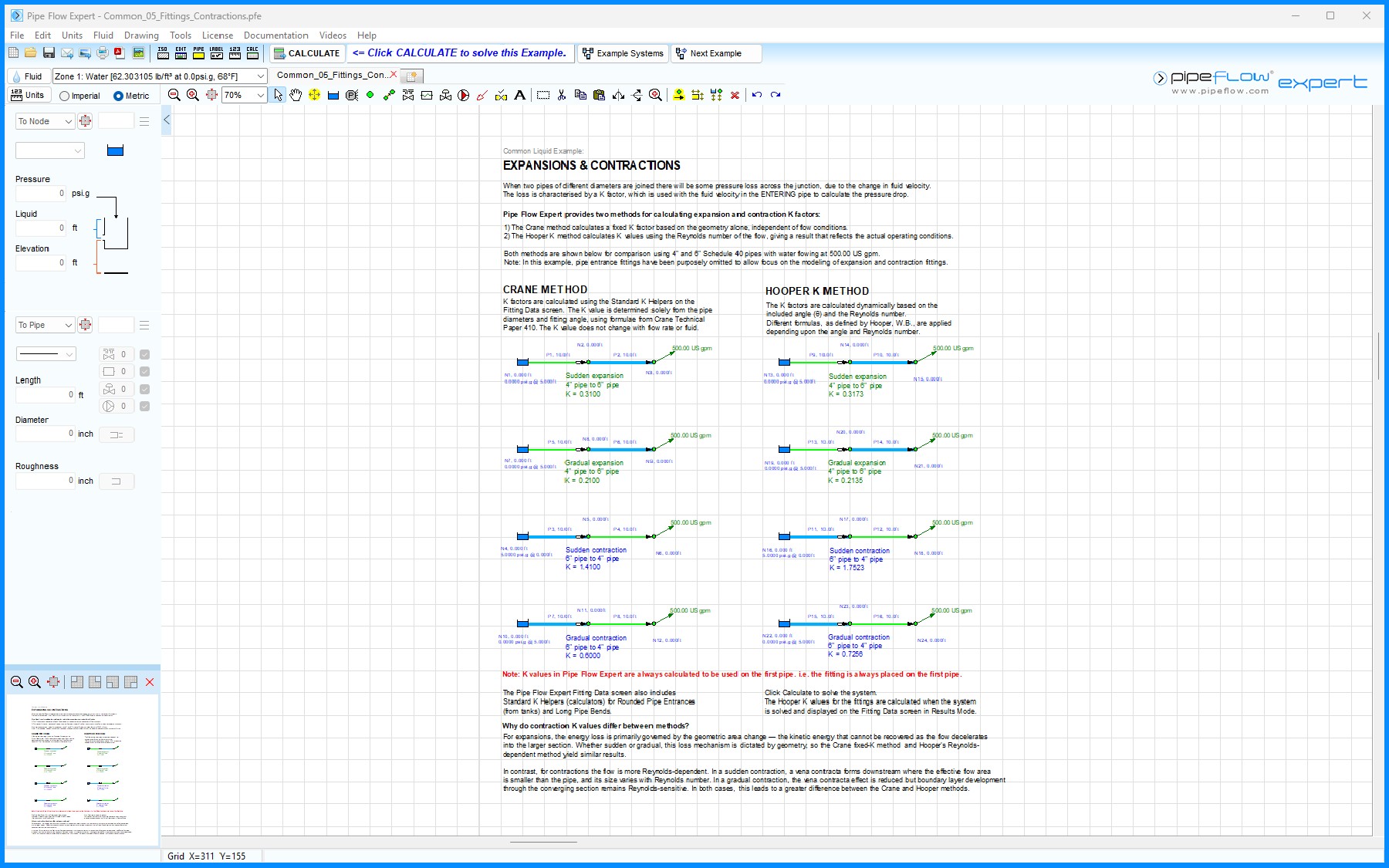
Figure 5 Common 05– Enlargements & Contractions
When two pipes of different diameters are joined there will be some pressure loss across the junction, due to the change in fluid velocity.
The loss is characterised by a K factor, which is used with the fluid velocity in the ENTERING pipe to calculate the pressure drop.
Pipe Flow Expert provides two methods for calculating expansion and contraction K factors:
1) The Crane method calculates a fixed K factor based on the geometry alone, independent of flow conditions.
2) The Hooper K method calculates K values using the Reynolds number of the flow, giving a result that reflects the actual operating conditions.
Crane Method:
K factors are calculated using the Standard K Helpers on the Fitting Data screen. The K value is determined solely from the pipe diameters and fitting angle, using formulae from Crane Technical Paper 410. The K value does not change with flow rate or fluid.
Hooper K Method:
The K factors are calculated dynamically based on the included angle (θ) and the Reynolds number.
Different formulas, as defined by Hooper, W.B., are applied depending upon the angle and Reynolds number.
Why do contraction K values different between methods?
For expansions, the energy loss is primarily governed by the geometric area change — the kinetic energy that cannot be recovered as the flow decelerates into the larger section. Whether sudden or gradual, this loss mechanism is dictated by geometry, so the Crane fixed-K method and Hooper's Reynolds-dependent method yield similar results.
In contrast, for contractions the flow is more Reynolds-dependent. In a sudden contraction, a vena contracta forms downstream where the effective flow area is smaller than the pipe, and its size varies with Reynolds number. In a gradual contraction, the vena contracta effect is reduced but boundary layer development through the converging section remains Reynolds-sensitive. In both cases, this leads to a greater difference between the Crane and Hooper methods.