

General 18 – Truck Loading – High Viscosity Oil
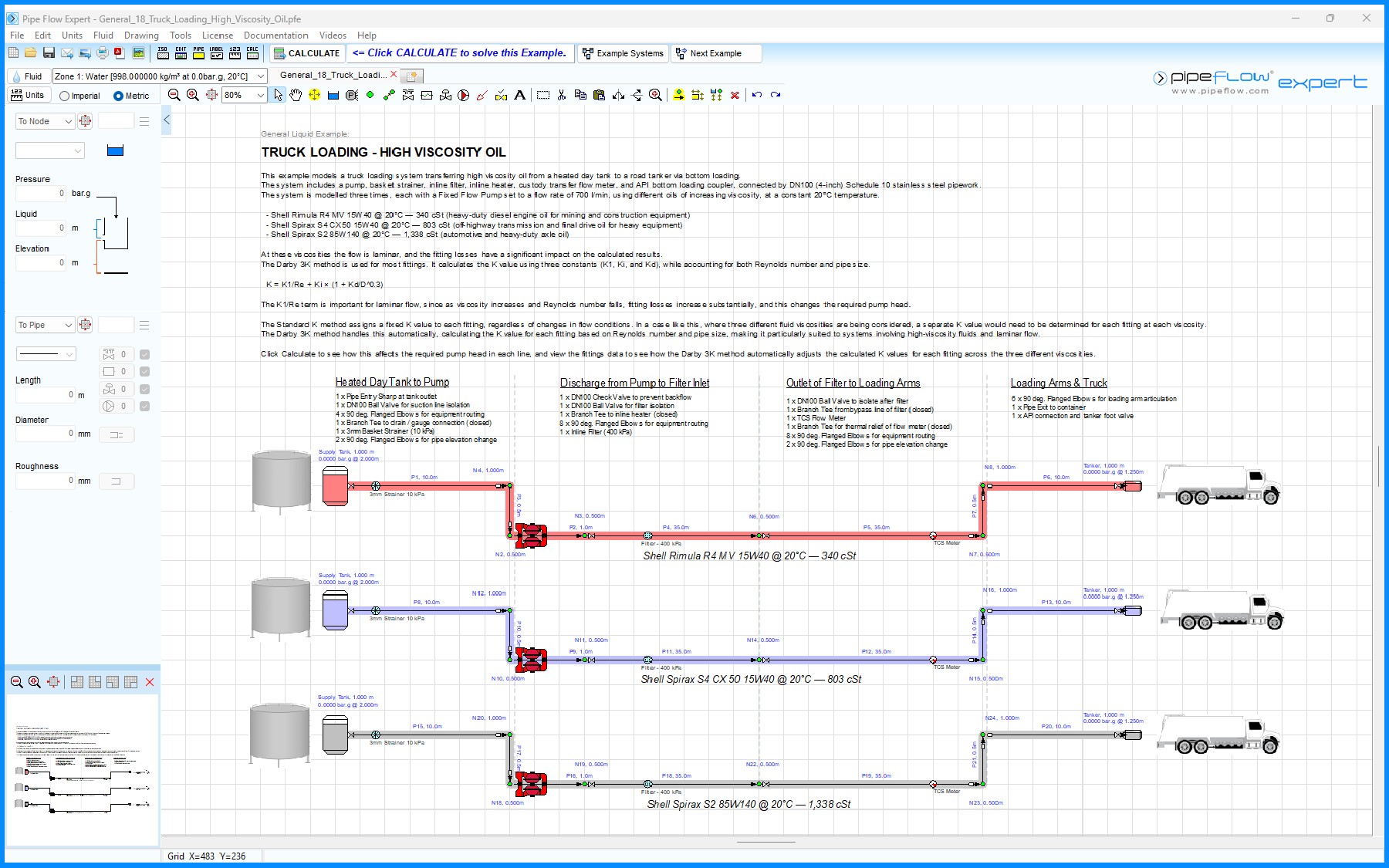
Figure 36 General 18 – Truck Loading – High Viscosity Oil
This example models a truck loading system transferring high viscosity oil from a heated day tank to a road tanker via bottom loading.
The system includes a pump, basket strainer, inline filter, custody transfer flow meter, and API bottom loading coupler, connected by DN100 (4-inch) Schedule 10 stainless steel pipework.
The system is modelled three times using oils of increasing viscosity at 20°C:
- Shell Rimula R4 MV 15W40 @ 20°C — 340 cSt (heavy-duty diesel engine oil for mining and construction equipment)
- Shell Spirax S4 CX 50 15W40 @ 20°C — 803 cSt (off-highway transmission and final drive oil for heavy equipment)
- Shell Spirax S2 85W140 @ 20°C — 1,338 cSt (automotive and heavy-duty axle oil)
At these viscosities the flow is laminar, where the choice of fitting loss method has a significant impact on calculated results.
The Darby 3K method is used for the majority of fittings, which calculates a K value based on three constants (K1, Ki, and Kd) and accounts for both Reynolds number and pipe size:
K = K1/Re + Ki × (1 + Kd/D^0.3)
The K1/Re term is important for laminar flow, as viscosity increases and Reynolds number falls, fitting losses increase substantially.
The Standard K method applies a fixed K value to each fitting regardless of flow conditions. For an example such as this, with three different fluid viscosities, separate K values would need to be calculated for each fitting at each viscosity.
The Darby 3K method handles this automatically, calculating the K value for each fitting based on Reynolds number and pipe size, making it particularly suited to systems involving high viscosity fluids and laminar flow.