

Isometric Gas 04 – Biogas Digestion & Storage Plant
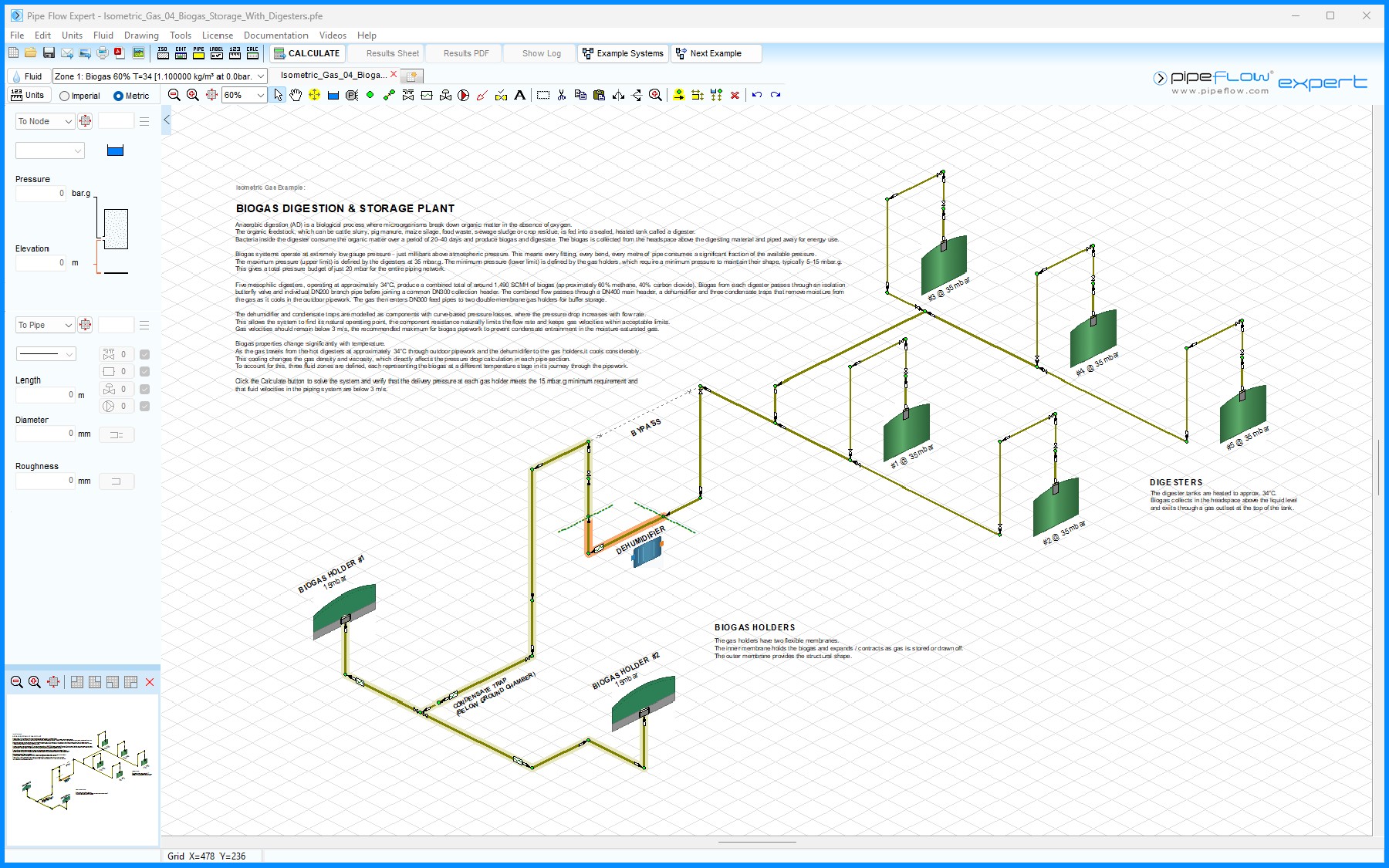
Figure 73 Isometric Gas 04 – Biogas Digestion & Storage Plant
Anaerobic digestion (AD) is a biological process where microorganisms break down organic matter in the absence of oxygen.
The organic feedstock, which can be cattle slurry, pig manure, maize silage, food waste, sewage sludge or crop residue, is fed into a sealed, heated tank called a digester.
Bacteria inside the digester consume the organic matter over a period of 20–40 days and produce biogas and digestate. The biogas is collected from the headspace above the digesting material and piped away for energy use.
Biogas systems operate at extremely low gauge pressure - just millibars above atmospheric pressure. This means every fitting, every bend, every metre of pipe consumes a significant fraction of the available pressure.
The maximum pressure (upper limit) is defined by the digesters at 35 mbar.g. The minimum pressure (lower limit) is defined by the gas holders, which require a minimum pressure to maintain their shape, typically 5–15 mbar.g.
This gives a total pressure budget of just 20 mbar for the entire piping network.
Five mesophilic digesters, operating at approximately 34°C, produce a combined total of around 1,250 SCMH of biogas (approximately 60% methane, 40% carbon dioxide). Biogas from each digester passes through an isolation butterfly valve and individual DN200 branch pipe before joining a common DN300 collection header. The combined flow passes through a DN400 main header, a dehumidifier and three condensate traps that remove moisture from the gas as it cools in the outdoor pipework. The gas then enters DN300 feed pipes to two double-membrane gas holders for buffer storage.
The dehumidifier and condensate traps are modelled as components with curve-based pressure losses, where the pressure drop increases with flow rate.
This allows the system to find its natural operating point, the component resistance naturally limits the flow rate and keeps gas velocities within acceptable limits.
Gas velocities should remain below 3 m/s, the recommended maximum for biogas pipework to prevent condensate entrainment in the moisture-saturated gas.
Biogas properties change significantly with temperature.
As the gas travels from the hot digesters at approximately 34°C through outdoor pipework and the dehumidifier to the gas holders,it cools considerably.
This cooling changes the gas density and viscosity, which directly affects the pressure drop calculation in each pipe section.
To account for this, three fluid zones are defined, each representing the biogas at a different temperature stage in its journey through the pipework.
Click the Calculate button to solve the system and verify that the delivery pressure at each gas holder meets the 15 mbar.g minimum requirement and that fluid velocities in the piping system are below 3 m/s.